Faith Made Visible: Black Churches and Community Building in Belmont County

Updated: Oct 4

Part Five of “Across the River: A Centennial Reflection on Belmont County”
A church building can tell more than the history of a congregation.
It can reveal where people found safety, created leadership, taught children, organized assistance, preserved dignity, and built institutions of their own.
Belmont County’s 1903 centennial history records African Methodist Episcopal congregations in Bellaire, Barnesville, and St. Clairsville. The entries are brief, but together they document a network of Black religious life across the Ohio side of the Upper Ohio Valley.
St. Clairsville: Worship and Independence
The book places the organization of St. Clairsville’s African Methodist Episcopal Church at approximately 1840.
Before its creation, Black Methodists had reportedly worshiped with white Methodists. The centennial history states that “some trouble” occurred during a communion service while the Reverend Samuel Brockunier was serving the congregation. Black worshipers subsequently withdrew and established a meetinghouse of their own.
The exact nature of the conflict is not explained. That absence is itself revealing. What the earlier writer reduced to “some trouble” may have involved exclusion, humiliation, unequal treatment, or a dispute over authority. Without contemporary records, we should not claim details we cannot document.
What we can see is the community’s response: Black Methodists created an independent institution.
By 1903, the congregation worshiped in a church on Market Street. The book names the Reverend C. L. Young as pastor and identifies Father Goins as its senior member. Samuel Cochran, S. Lewis, H. Swenigen, T. Davis, and D. Hawkins served on the official board, with Hawkins also leading the Sunday school.
These names transform the account from an institutional summary into a record of people who carried the church forward.
Bellaire: A Congregation Established in 1866
St. Paul’s A.M.E. Church in Bellaire was organized in 1866 by the Reverend Dudley Asbury and the Reverend W. H. Brown.
That year carries special meaning throughout the region. It was one year after the Civil War and the ratification of the Thirteenth Amendment. It was also the year Wheeling’s Board of Education established its public Colored School.
Across the Upper Ohio Valley, Black communities were building institutions in the immediate aftermath of slavery.
The Belmont County history identifies George W. Peters, Mrs. George W. Peters, and Rebecca Jacobs as surviving members of St. Paul’s original congregation when the book was written. By 1902, the church had a seating capacity of 270, property valued by the book at $8,000, and no remaining building debt.
Those details speak to sacrifice and stewardship. A fully paid church was not simply a financial accomplishment. It represented decades of offerings, fundraising, leadership, and faith.
Barnesville: From a Machine Shop to a Church
The African Methodist Episcopal Church in Barnesville was organized in 1873 with 25 members.
Its first pastor was the Reverend C. E. Green, and its first elder was identified as the Reverend Mr. Thompson. The congregation converted a machine shop on South Street, near the railroad, into a place of worship at a reported cost of $1,100.
By 1902, membership had grown to 71.
The centennial history preserved the names of several people responsible for the church’s life: William King, Joseph Wilson, James Earley, F. H. Jackson, Professor B. O. McMichael, Jessie Lynn, Addison Lee, Robert Cowen, Ross Cowen, Thomas Simmons, and Albert Shipp.
They were stewards, trustees, class leaders, and builders of community.
More Than Sunday Worship
A.M.E. churches emerged from a tradition in which Black Christians demanded the right to worship without racial subordination. In communities across the country, their buildings became sites of education, political discussion, mutual assistance, temperance work, youth instruction, and civic organization.
Sunday schools taught scripture, but they also reinforced literacy, public speaking, discipline, and leadership. Church officers gained experience managing money, property, meetings, and community programs. Ministers carried news and ideas between towns, creating networks that extended far beyond an individual congregation.
In the Upper Ohio Valley, those networks crossed the river.
The churches of St. Clairsville, Bellaire, and Barnesville belonged to the same larger Black institutional world as Wheeling’s Simpson Methodist Episcopal Church, its Sabbath schools, educational conventions, fraternal organizations, and public celebrations.
Institutions Built to Endure
The centennial history gives us only fragments. It does not fully describe the women who sustained these congregations, the children taught in their Sunday schools, the meals prepared for gatherings, or the collections taken when a family needed help.
Yet the surviving names and dates allow us to see what Black residents were building.
They created institutions in which they could speak, teach, govern, worship, and belong. They converted available spaces, purchased property, paid debts, called ministers, elected officers, and prepared new generations for leadership.
Their churches made faith visible in brick, timber, service, and community.
And more than a century later, their presence in the historical record reminds us that the story of Belmont County—and the story of the Upper Ohio Valley—cannot be told without them.
-T
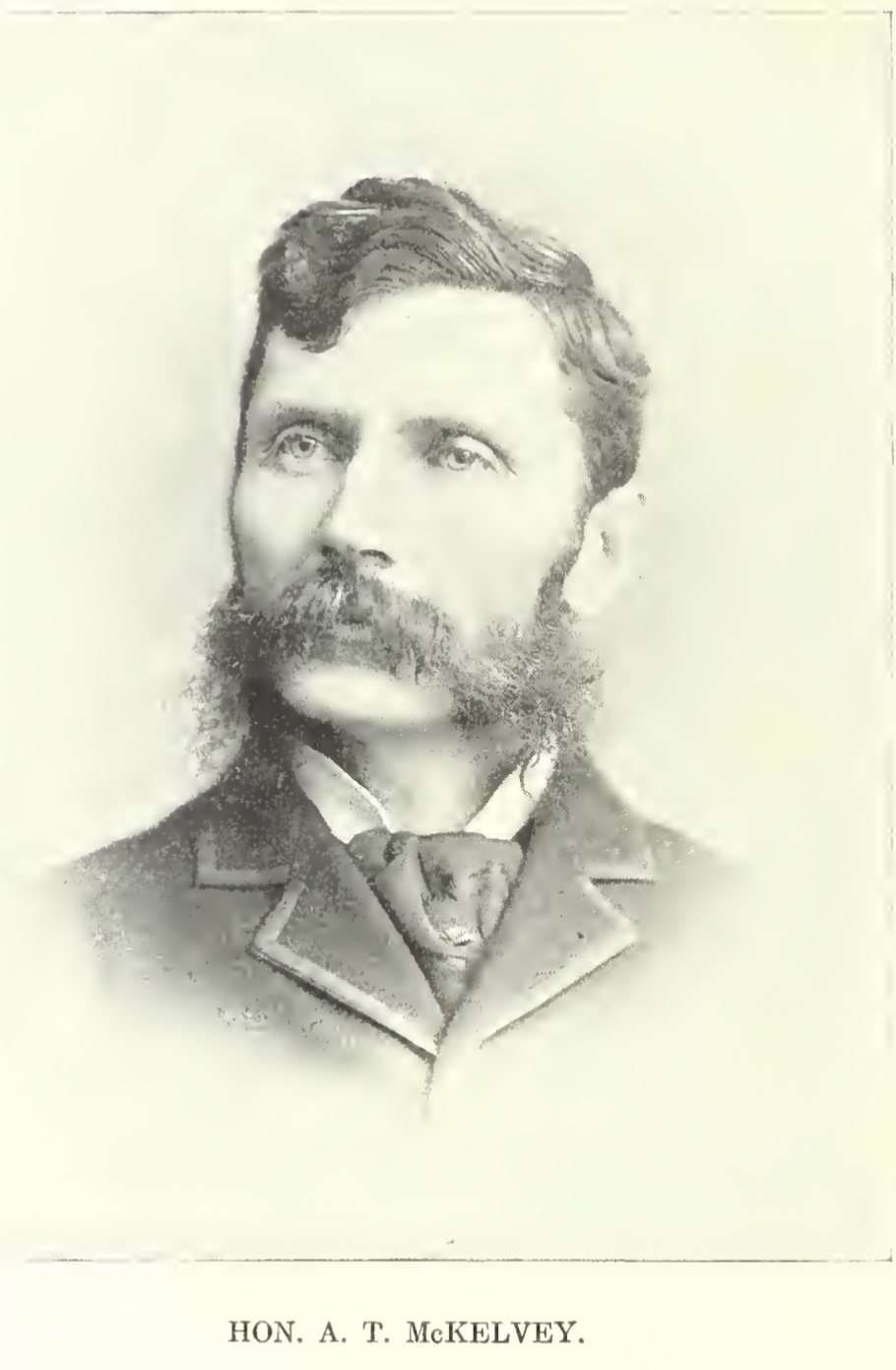
Research note: The principal entries appear in McKelvey’s Centennial History of Belmont County on pp. 180, 229, and 255. Because some early church records had already been lost by 1903, these accounts should be supplemented whenever possible with denominational records, newspapers, deeds, directories, and surviving congregational materials.


